Nourishing the Home Vegetable Patch
In the world of gardening, understanding the fertilization needs of various plants is crucial for maintaining a thriving home landscape. Here's a breakdown of recommended fertilization practices for different types of plants.
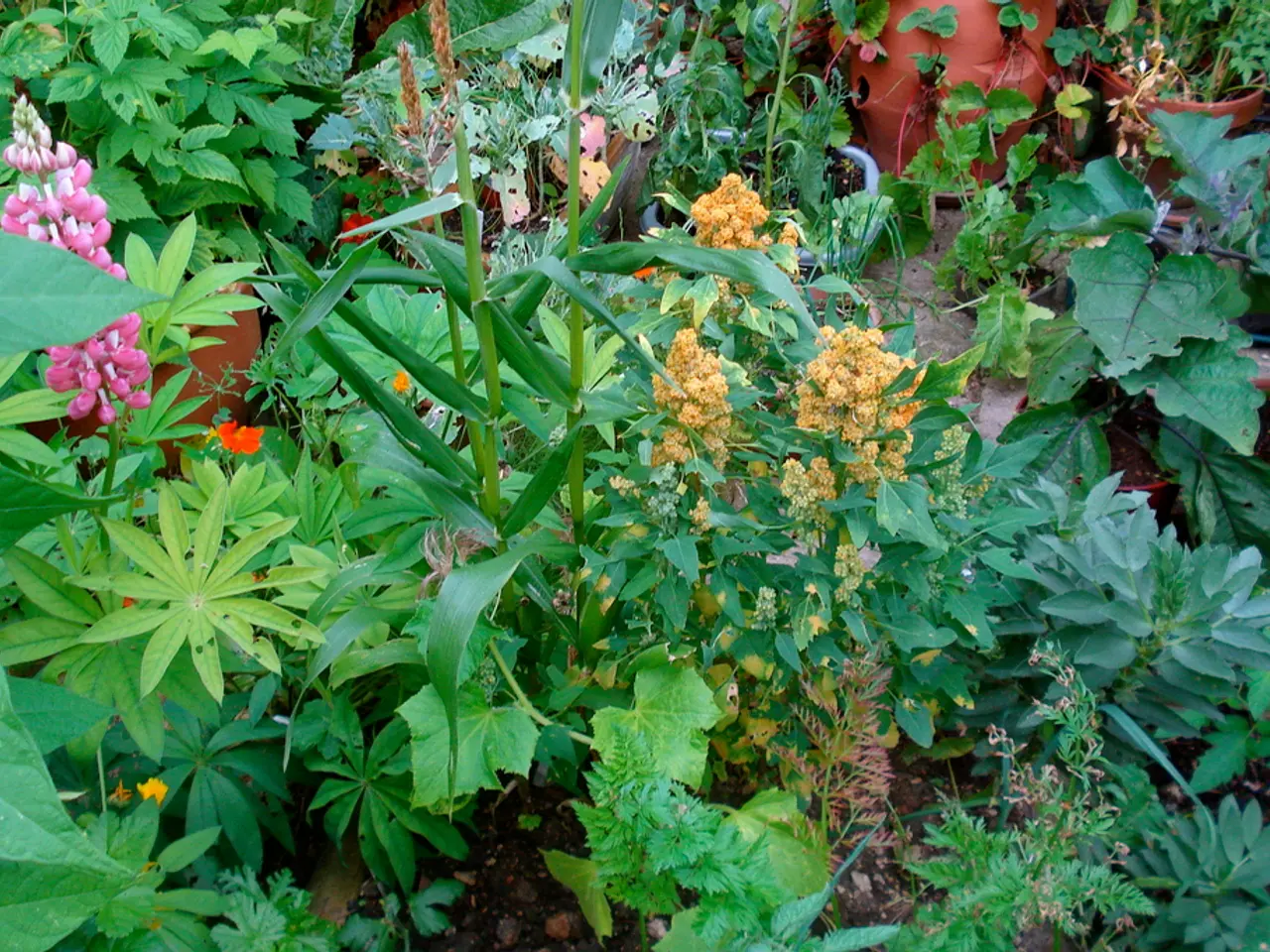
**Vegetables:** Vegetable gardens require frequent fertilization due to rapid nutrient depletion as plants grow and produce food. A soil test is highly recommended to determine specific nutrient needs. Vegetables generally need a balanced supply of nitrogen (for lush leaves), phosphorus (for flowers and fruit), and potassium (for root growth and drought resistance). Fertilizers high in nitrogen are typically used early in the growing season, with phosphorus-rich “bloom booster” fertilizers applied as plants begin flowering.
**Small Fruits and Fruit Trees:** Established fruit trees and small fruits may only need fertilization every other year, or less frequently depending on the species and soil fertility. Soil testing helps tailor the fertilization program. Nitrogen supports healthy leafy growth, phosphorus encourages fruit and flower development, and potassium strengthens roots and drought tolerance.
**Perennials and Annuals:** Established perennials and many trees and shrubs often require less frequent feeding, sometimes only every other year or as needed based on growth and soil tests. Annuals, being short-lived and often grown for flowers, benefit from a balanced fertilizer, often higher in phosphorus to boost blooms.
**Bulbs:** Bulbs typically benefit from fertilization applied at planting and after flowering to support growth and replenish soil nutrients. A balanced or bloom-focused fertilizer can be used.
**Roses:** Roses are nutrient-demanding and benefit from regular fertilization through the growing season with a balanced fertilizer rich in nitrogen, phosphorus, and potassium for leaves, blooms, and root health.
**Trees & Shrubs:** Mature trees and shrubs generally need fertilization less often, sometimes every other year. The frequency and amount depend on species and soil fertility. Organic mulches and slow-release fertilizers promote steady nutrient availability and soil health.
**Lawns:** Lawns require yearly nitrogen fertilization to maintain density and health, with amounts and timing depending on the grass type. Use slow-release or organic nitrogen fertilizers to avoid burning and reduce environmental impact. Maintain grass height at 2.5 to 3 inches to promote healthy roots and reduce pests.
**Houseplants:** Houseplants typically need less fertilizer than outdoor plants but benefit from regular feeding during their active growing season (spring and summer). A balanced, water-soluble fertilizer at half strength every 4-6 weeks supports healthy growth without buildup.
**General Best Practices:** - Always start with a soil test to guide fertilization. - Use slow-release or organic fertilizers where possible to avoid nutrient runoff and buildup. - Apply fertilizers during active growth periods—typically spring and summer. - Avoid fertilizing stressed or dormant plants. - Follow recommended rates carefully to avoid over-fertilization, which can harm plants and the environment.
This approach balances plant nutritional needs with environmental responsibility and promotes healthy, sustainable home landscapes.
- Composting can provide vital nutrients to the soil in a home landscape, benefiting trees, shrubs, vegetables, and even houseplants.
- Gardening lifestyle often involves regular checks for common plant diseases and taking corrective measures such as promoting soil health to prevent their spread.
- For flower enthusiasts, adding compost to garden beds can help encourage healthy growth in flowers, enhancing their landscape.
- A balanced fertilizer, rich in nitrogen, phosphorus, and potassium, is not just beneficial for vegetables but also for creating a vibrant home-and-garden landscape overall.
- In the world of landscaping, understanding the fertilization needs of various plants is key to maintaining healthy lawns and plants, from trees to houseplants.
- Practicing smart fertilization, such as avoiding over-fertilization and using organic products, contributes to a sustainable lifestyle and protects the environment.