Nectaries: Their Location, Significance, and Importance to Wildlife
In the beautiful and intricate world of nature, nectaries play a crucial role in the survival and ecological success of many plants and their associated wildlife. These specialized glands, found in two main types - floral and extrafloral - each serve distinct functions that contribute to the thriving of plant life and the diverse creatures that depend on it.
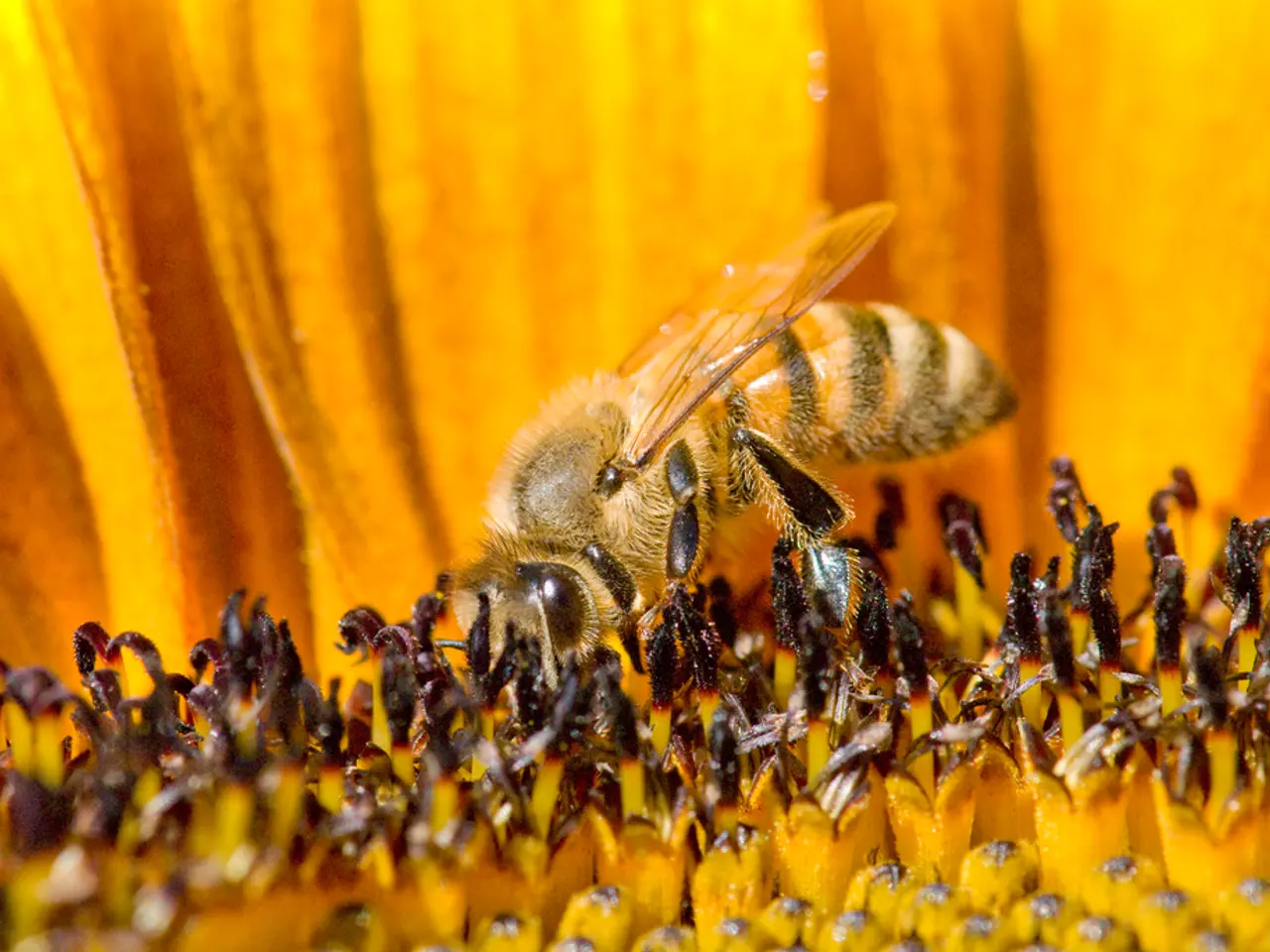
Floral nectaries, typically located at the base of flower stamens or other floral parts such as sepals and petals, are responsible for secreting nectar to attract pollinators such as hummingbirds, bees, butterflies, and other animals. By attracting these visitors, floral nectaries facilitate pollination, a process essential for plant reproduction and genetic diversity. Intriguingly, in orchids, nectaries can be found on the sepals or petals, or embedded in the base of the flower near the ovary, reflecting adaptations that enhance specialized pollination mechanisms.
On the other hand, extrafloral nectaries are located on vegetative parts of the plant, such as stems, leaves, or leaf petioles. Unlike floral nectaries, these structures do not attract pollinators but instead draw in predatory or territorial animals, such as ants or wasps, which act as defenders of the plant by protecting it against herbivores or other threats. This mutualistic relationship benefits the plant by reducing damage from herbivory and benefits the animals by providing them with a food resource in the form of nectar.
The roles of these nectaries in plant and wildlife survival are profound. Floral nectaries promote effective pollination, ensuring the sexual reproduction of plants, while extrafloral nectaries support indirect plant defense by drawing in protective animals, improving plant fitness by lowering herbivore pressure.
Garden enthusiasts can harness the power of nectaries to diversify their backyard spaces and enhance their overall appeal to local wildlife populations. Amino acids, vitamins, and other components present within nectar aid native wildlife during summer and late-season migrations. However, finding the nectary of a flower can be challenging, as its location varies from one species to another.
Tonya Barnett, with 13 years of gardening experience, has transformed her backyard into a cut flower garden and regularly shares her experiences on her YouTube channel. She emphasizes the importance of nectar in the garden and the role of nectaries in plants, stating, "Nectar serves as an invaluable source of food and energy for garden wildlife."
In conclusion, nectaries are invaluable to the survival of species that require efficient pollination by insects, and they also provide a vital food source for many wildlife species. Whether attracting pollinators or protecting plants from browsing wildlife, preventing disease, and reducing parasites, nectaries are indeed a garden's secret weapon in maintaining a thriving ecosystem.
In the realm of environmental science, understanding nectaries' roles in both floral and extrafloral contexts is crucial for home and garden enthusiasts wanting to foster a diversified backyard habitat that supports local wildlife populations. Floral nectaries, through attracting pollinators, contribute to the sexual reproduction of plants and, in turn, promote a healthy ecosystem, while extrafloral nectaries act as a food source for protective animals, aiding in indirect plant defense.