Garden Tasks for Harvesting Fruits and Vegetables in March
### Preparing Your Vegetable Garden for March Planting
As March arrives and spring officially begins, it's time to start preparing your vegetable garden for planting. By focusing on soil preparation, crop selection, and tailored care for each vegetable, you can maximize your success in the coming season. Here's a step-by-step guide to help you get started, with specific tips for potatoes, asparagus, rhubarb, beetroot, and carrots.
### General Soil Preparation
1. **Clear Weeds and Debris**: Remove any leftover plant material, weeds, and grass to reduce competition and pest habitats. 2. **Loosen the Soil**: Cultivate the soil to break up winter compaction. Use a shovel or fork for small beds; a tiller is efficient for larger areas. 3. **Test and Amend Soil**: Conduct a soil test to check pH and nutrient levels. Most vegetables prefer slightly alkaline soil. Add compost or well-rotted manure to improve fertility and structure. 4. **Spread Compost Early**: Incorporate compost 4–6 weeks before planting to allow it to integrate with the soil. 5. **Rototill if Needed**: Till the beds 2–4 weeks before planting to further mix in amendments and prepare a fine seedbed. 6. **Monitor Soil Temperature**: Use a soil thermometer. Many cool-season crops can be sown when soil consistently reaches at least 40°F.
### Planting and Care Tips by Crop
#### Potatoes
- Plant seed potatoes in well-drained soil, with the 'rose end' (the end with the most shoots) pointing upwards, as soon as the soil can be worked. Keep them well-watered and hill soil around stems as they grow.
#### Asparagus
- Plant crowns in deep, well-drained trenches with rich compost. Avoid harvesting spears the first year for stronger future growth.
#### Rhubarb
- Plant crowns or divisions in rich, well-drained soil. Mulch to retain moisture and suppress weeds. No harvest the first year; pick lightly in year 2.
#### Beetroot
- Direct sow beetroot seeds in well-prepared, stone-free soil. Sow seeds 2.5cm deep and space them about 10cm apart. Keep evenly moist.
#### Carrots
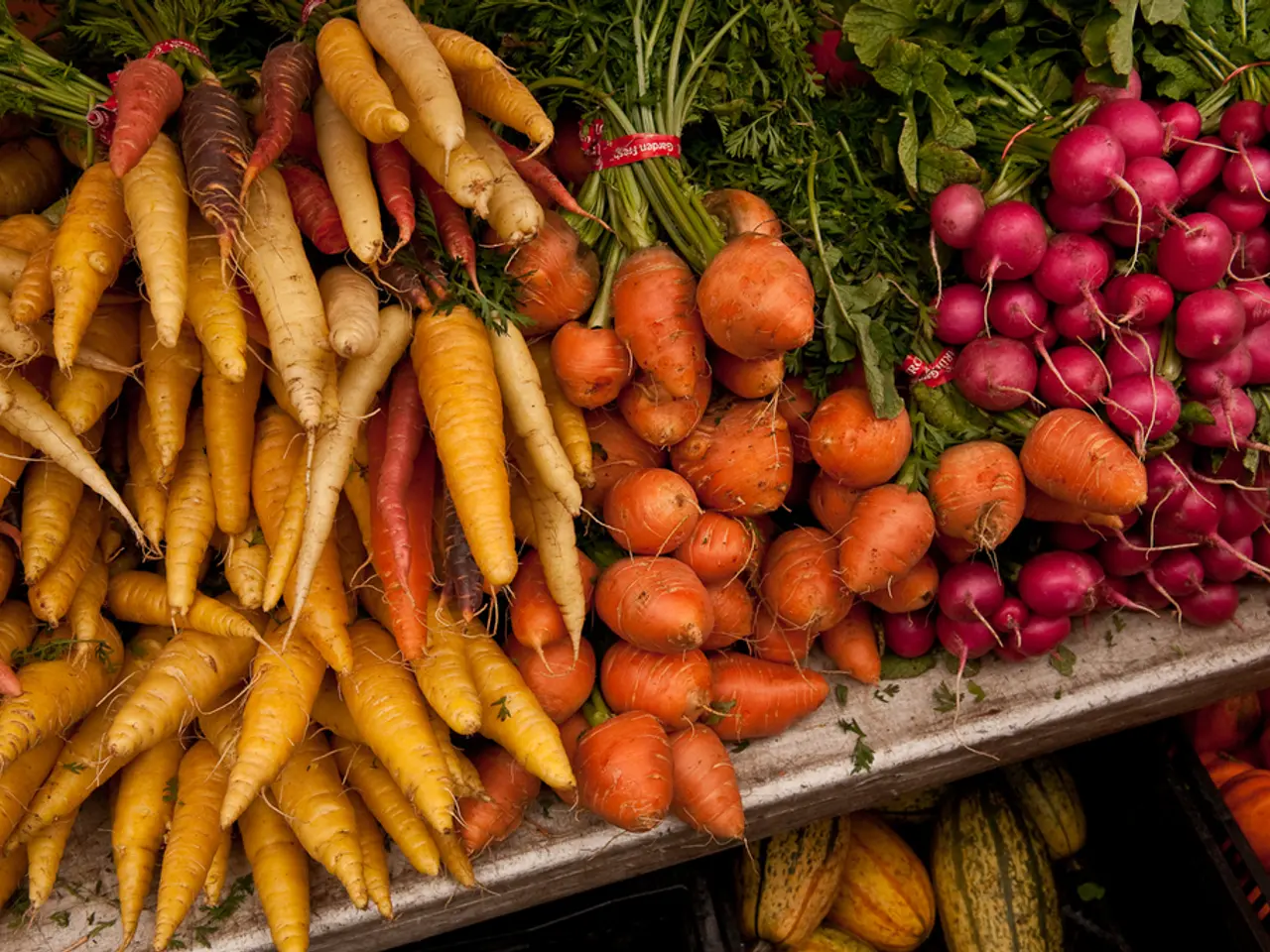
- Sow carrot seeds thinly on the surface of damp peat-free multi-purpose compost, then cover with a layer of sieved compost. Plant in loose, sandy, stone-free soil. Thin seedlings to 1–2 inches apart. Consistent moisture prevents splitting.
### Additional March Garden Tips
- Use cold frames, cloches, or hoop houses to protect early plantings of broccoli, Brussels sprouts, cabbage, and cauliflower from late frosts. - March is ideal for planting bare-root fruit trees and berry bushes if space allows. Heel in if planting is delayed. - If you missed fall planting for asparagus and rhubarb, March is your second chance—avoid harvesting in the first year to establish strong plants. - Consider successive sowings every 2–3 weeks for carrots and beets for a continuous harvest. - If seeds don’t germinate in warm-enough soil, check seed viability.
### Tools You’ll Need
- Shovel, fork, or tiller - Compost or well-rotted manure - Soil thermometer - PH test kit - Mulch and frost protection materials
In March, beetroot is easy to sow and gives a heavy crop without being overly fussy. Prepare bare areas for new crops by uprooting perennial weeds, adding a layer of compost as a mulch, and demarcating areas of the veg patch with labels. Once the shoots are fat and around 3cm long, the tubers are ready for planting out. Place the pot in a sunny spot. The time for planting out tender crops such as courgettes and tomatoes is still two months away in March. With careful preparation and these tailored tips, your March vegetable garden will be set for a productive season.
- After preparing the vegetable garden for planting, it's essential to consider the home-and-garden aspects as well, such as preparing bare areas for new crops of beetroot by uprooting perennial weeds, adding a layer of compost as a mulch, and demarcating areas of the veg patch with labels.
- In addition to focusing on soil preparation, crop selection, and care for each vegetable, aspiring gardeners can also improve their lifestyle by implementing sustainable practices, like relocating perennial weeds and applying compost mulch, thus promoting a healthier and more eco-friendly home-and-garden environment.