
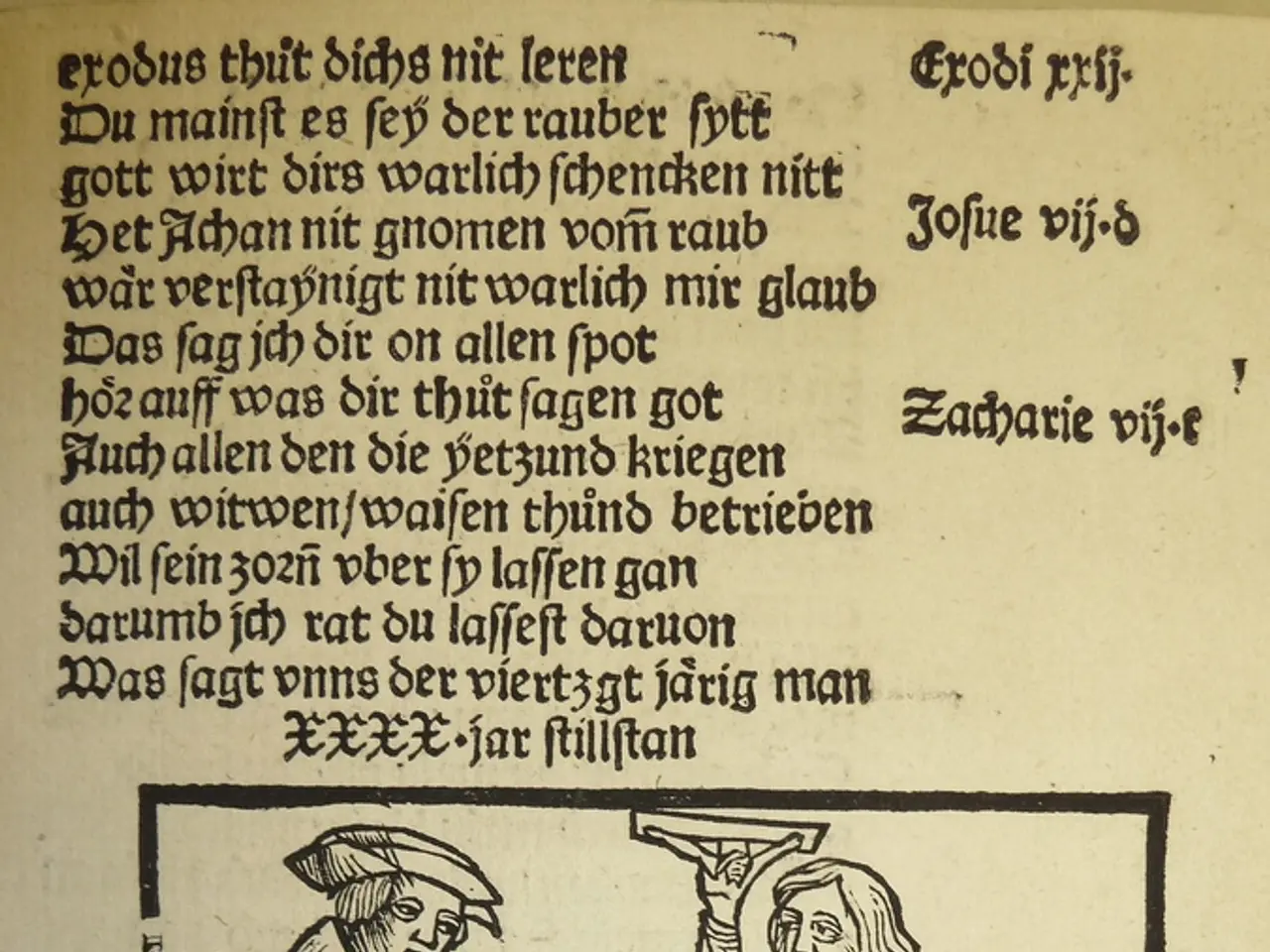
Exploring the Development and Significance of the Double S Symbol
The double S symbol, often referred to as the ss ligature or the scharfes S, holds a unique place in the world of typography, particularly in the context of German orthography. This intriguing symbol, which resembles a lowercase 'f', has both historical and modern significance.
Historical Significance
The double S ligature, known as the Eszett (ß) in German, originated as a ligature of the long s (ſ) and the normal s or z. It was initially written as ⟨sz⟩ or ⟨ss⟩ in older forms of German spelling. The Eszett represented a specific "s" sound in German and was a standard part of German orthography.
In many European languages, including English, the long s (ſ) was also used historically. The long s eventually fell out of use in English, but the Eszett continued to thrive in German, simplifying written content and improving legibility.
Modern Usage
Today, the Eszett (ß) is used in German orthography after long vowels and diphthongs to indicate the "sharp s" sound, while ⟨ss⟩ now generally appears after short vowels. The letter ß only occurs in the middle or end of words and has no uppercase form in traditional usage. However, an uppercase form (ẞ) has been introduced and included in Unicode since 2008, and its use is now mandatory for official documents in Germany in all-caps contexts since 2010 (and officially added to orthography in 2017).
In places like Switzerland and Liechtenstein, the ß is not used; instead, they use ⟨ss⟩ even where standard German uses ß. When ß cannot be used (such as in all-caps text historically), it is replaced by ⟨SS⟩.
Broader Typographic and Linguistic Context
The ss ligature is specifically tied to German, while the double 's' digraph (ss) appears as a phonetic or orthographic component in many languages, often to represent a voiceless sibilant sound (e.g., in English or French, between vowels).
Ligatures in typography more broadly are combinations of two or more letters into a single glyph for aesthetic or legibility reasons. However, the ß is one of the few that developed into a formal letter representing a unique sound rather than just a typographic ligature.
The double S symbol is distinct from other typographical symbols like the section sign (§), which is sometimes informally called "double S" or "silcrow", but which has different origins and uses.
Summary
The double S symbol's chief historical significance is as the root of the German ß, a unique letter derived from a ligature. In modern use, it remains a core element of German spelling rules, typographic standards, and official orthography. Outside German, double S simply functions as a letter sequence rather than a formal ligature or symbol.
The double S symbol holds historical importance in the development of typography as a whole. It serves as a reminder of the ongoing innovations in typography and the importance of legibility and readability in written texts.
Home-and-garden magazines often feature articles on the history of typography, given the aesthetic appeal of typeset text in designing layouts.
In the development of typography, the double S symbol, or the Eszett (ß), played a significant role, being the root of the unique German letter derived from a ligature.