
Enhancing Public Transportation and Bike Paths as Solutions for Combating Isolation
In a recent study, the Smart Market Foundation (SMF) has highlighted the link between car dependency and feelings of loneliness and isolation. Gideon Salutin, senior researcher at SMF, stated that failing to provide alternatives to cars could contribute to increased loneliness and isolation.
The SMF study used a Department for Transport study to compare car dependency with feelings of loneliness and isolation, controlling for other variables. The analysis showed a significant correlation between car dependency and increased loneliness, especially where satisfaction with public transport and active travel options is low. Specifically, loneliness tends to increase by 5% for every 20% fall in satisfaction with public transport and active travel.
The geographical context also plays a role in this link. In rural areas, where public transport is often poor, car-dependent individuals are more likely to experience feelings of isolation and loneliness. On the other hand, in cities, the impact is less pronounced.
Car dependency often results from and reinforces sprawling development patterns that prioritize cars over multimodal or walkable options. This auto-oriented planning can reduce non-auto travel options and stigmatize non-car travel, diminishing community connectivity and social cohesion, which can intensify feelings of loneliness.
The SMF has called for a reduction in car dependency, suggesting that the number of trips made by private vehicle should be lowered below 50% through investment in buses and other local transport. This move could help reduce loneliness, according to the study.
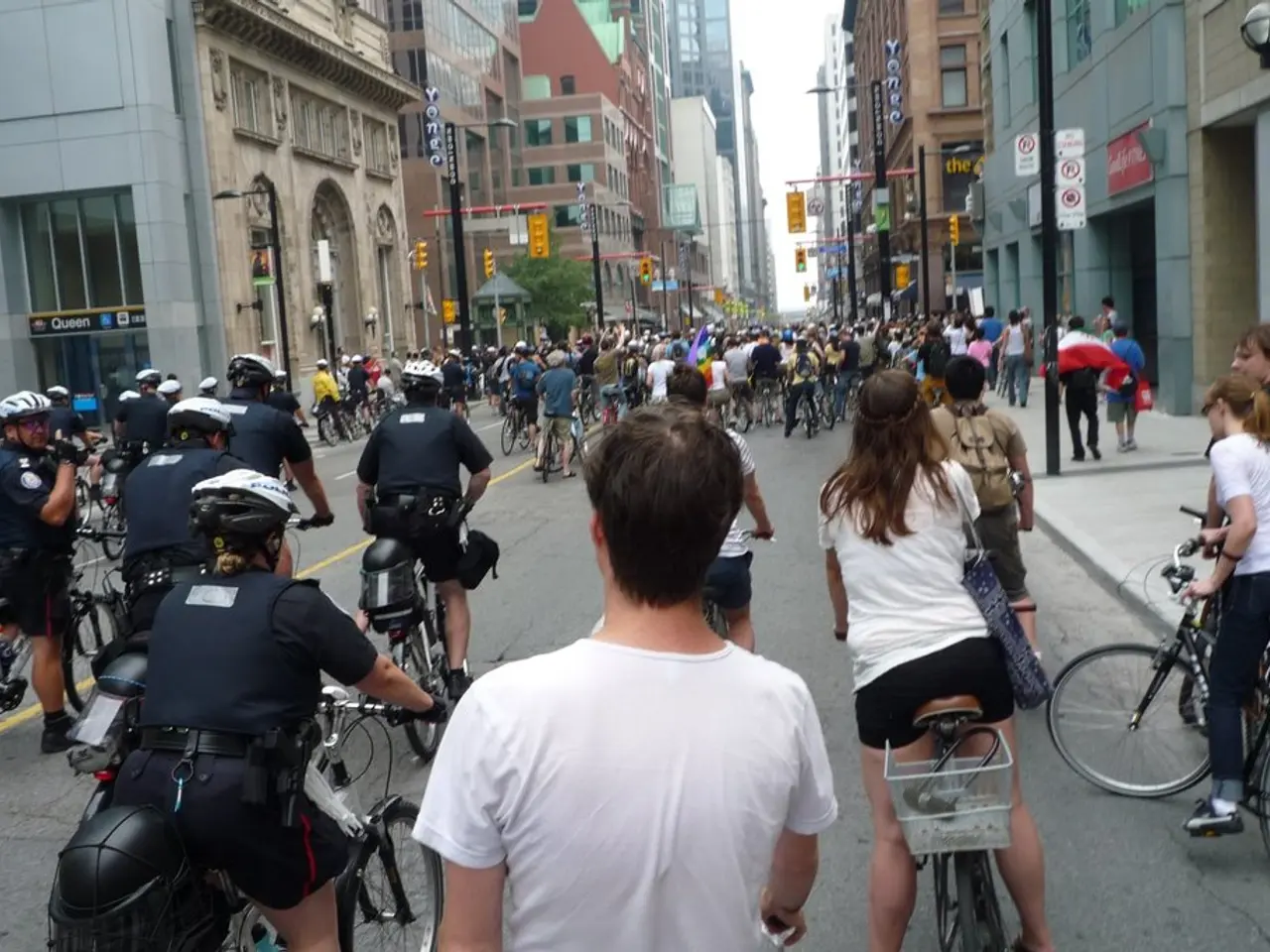
Better buses and bike lanes could have an impact on reducing loneliness, as they provide alternatives to car travel and encourage social interaction. However, having access to a car can help people reach social spaces, increasing life satisfaction, but only to a point.
Research suggests that spending 70% less time with friends than a decade ago could lead to 30% higher rates of early mortality. One example of how car dependency can lead to loneliness is when lack of access to public transport traps those without a car at home, making it difficult to visit friends and access social experiences or find work.
In Athens, car ownership greatly increases people's life satisfaction due to poor public transport infrastructure, but in cities like Oslo and Beijing, where residents enjoy efficient public transportation, the effects are less pronounced. In Beijing, where residents enjoy some of the most efficient public transportation in the world, car ownership has very little impact on life satisfaction.
Salutin admits that having access to a car can help people reach social spaces, increasing life satisfaction, but only to a point. He suggests that cars themselves could be the problem, keeping us isolated from the outside world. The SMF study aimed to capture people who choose to drive even when they have plenty of transport options available, using the example of SUV owners in Kensington and Chelsea.
Making more than half of trips via cars has been suggested as contributing to loneliness by American researchers. The SMF study found that for every 20% decrease in satisfaction with public or active transport options, 4.1% of people felt more left out, 3.2% felt more isolated, and 2.9% felt a lack of companionship. The study found that car dependency increases the likelihood of feeling lonely and disconnected across all four indicators: feeling lonely, left out, isolated, or lacking companionship.
In conclusion, the SMF suggests that car dependency acts as both a symptom and a cause of social isolation. By prioritizing car-oriented development, we may be inadvertently creating environments that limit social interaction opportunities and contribute to feelings of loneliness and isolation. Investing in public transport and active travel options could help address this issue and promote a more connected, socially engaged society.
- The study conducted by the Smart Market Foundation revealed a significant correlation between car dependency and increased feelings of loneliness, particularly in areas where satisfaction with public transport and active travel options is low.
- The SMF argues that the industry's failure to provide alternatives to cars could exacerbate financial burdens associated with car ownership, influencing lifestyle choices and potentially leading to home-and-garden isolation.
- To combat this issue, the SMF proposes reducing car dependency by investing in buses and other forms of local transportation, asserting that such a move could help lessen feelings of loneliness, as better transportation options encourage social interaction and connectivity.