Brown and Falling Mandevilla Leaves: Understanding Causes and Providing Solutions
Mandevilla, known for its vibrant trumpet-shaped flowers and glossy green foliage, can be a beautiful addition to any garden. However, brown leaves on a Mandevilla can be a cause for concern. In this article, we'll explore the key factors that can lead to brown leaves and provide practical tips for maintaining a healthy Mandevilla.
Firstly, it's essential to address watering issues. Mandevilla thrives in environments that replicate its native habitat, which means moisture is vital. However, waterlogged roots can be detrimental. Provide moderate watering, allowing the soil to dry slightly between waterings to avoid overwatering. Ensure excellent drainage by using a well-draining potting mix. Water early in the morning to reduce evaporation and allow foliage to dry before evening, minimizing fungal risks.
Nutrient deficiencies can also cause brown or yellow leaf edges. A magnesium deficiency can be remedied by sprinkling Epsom salt around the plant, while curled and pale leaves may suggest a calcium deficiency. Regularly use a balanced, general-purpose fertilizer to support healthy growth and flowering.
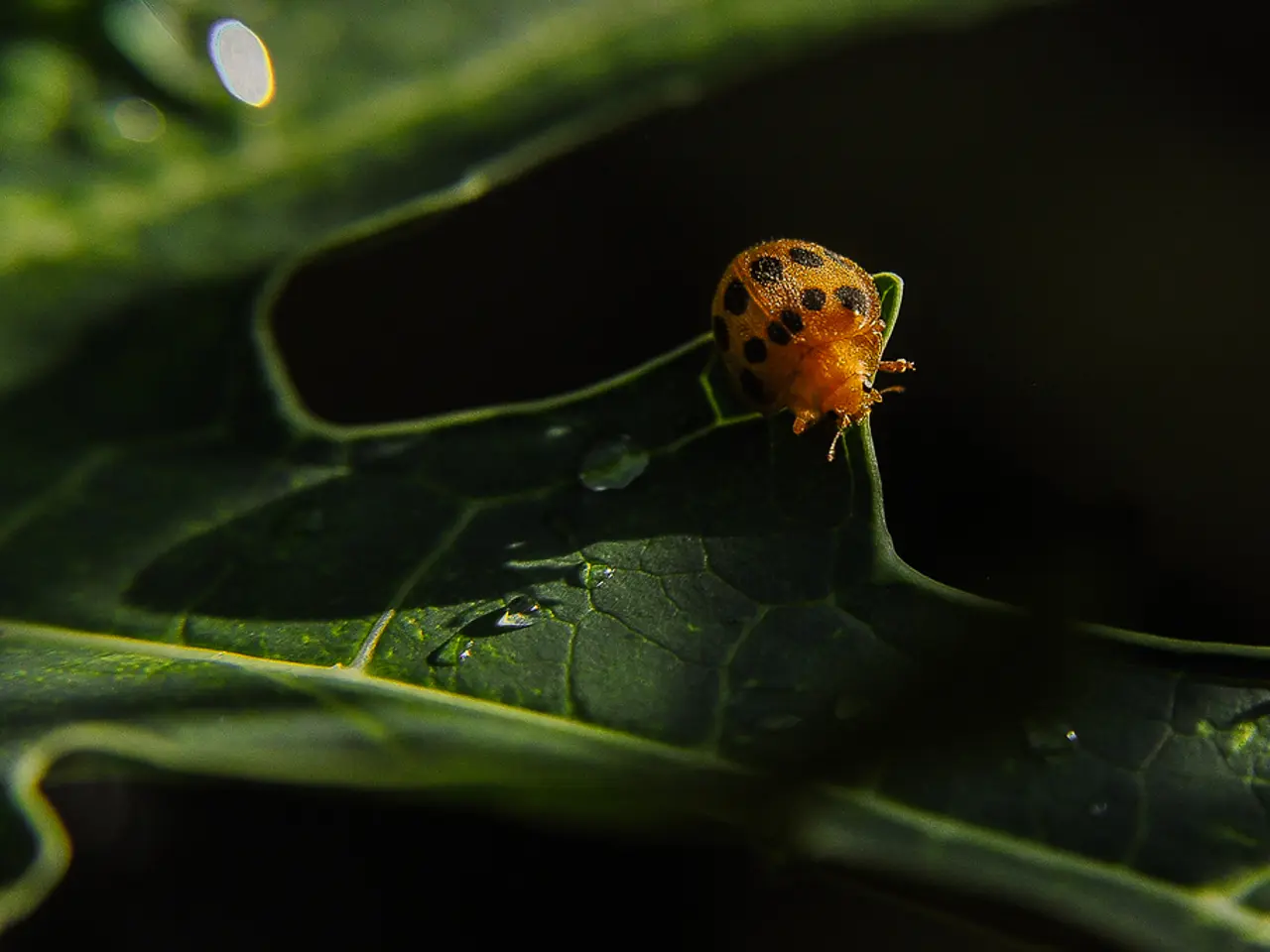
Pest infestations, such as spider mites and aphids, can also cause damage, leading to browning leaves. Regularly inspect leaves and treat with appropriate insecticidal soap or neem oil if pests are found.
Environmental conditions play a significant role in Mandevilla health. The plant prefers full sun to bloom well but be cautious of excessive heat or sunburn causing brown spots. Avoid cold drafts and sudden temperature changes, as these stresses can cause leaf drop. Ideal temperatures range from the 60s to mid-90s °F (about 16–35°C). Humidity is important, particularly in winter when low indoor humidity can cause leaves to drop. Misting the leaves or using a humidifier can maintain necessary humidity levels.
By carefully balancing these factors—moderate watering with good drainage, providing necessary nutrients, avoiding temperature extremes, protecting from pests, and maintaining humidity and airflow—you can prevent brown leaves and leaf drop on your Mandevilla.
Remember, regular pruning helps maintain good air circulation and encourages the growth of glossy green foliage. If root rot or fungal infection is suspected, stop watering, replace potting mix, and apply a copper-based fungicide promptly.
Glen, a gardening expert with over 15 years of experience in garden maintenance, design, and landscaping services, emphasizes the importance of a well-draining yet moisture-retentive soil mix for Mandevilla. A nutrient-rich soil mix can help prevent nutrient deficiencies that may cause browning leaves.
In conclusion, with proper care and attention, Mandevilla can thrive, providing a stunning display of flowers and foliage in your garden. Regularly checking soil moisture and adjusting watering frequency as needed is key to Mandevilla care. Happy gardening!
Maintaining a healthy Mandevilla life in home-and-garden settings requires careful attention to watering, nutritional needs, environmental conditions, and pest control. To prevent brown leaves, ensure moderate watering with good drainage, provide necessary nutrients, and maintain humidity and airflow. Regularly inspect for pests, and if necessary, apply insecticidal soap or neem oil. Finally, a well-draining yet moisture-retentive soil mix, as recommended by gardening expert Glen, is crucial for supporting the beautiful blooms that Mandevilla offers in our gardens.