Best Time to Harvest Green Peppers: Gardening Professionals Share Their Insights
In the world of gardening, few things are as delightful as a bountiful harvest of juicy, vibrant bell peppers. To ensure you get the best taste and texture from your home-grown peppers, it's essential to know when to pick them. Larry Meyers, a seasoned lawn and landscaping expert with over 10 years of experience, offers some valuable insights.
According to Meyers, the best methods for knowing when to pick bell peppers for optimal taste and texture involve timing the harvest based on size, colour, and variety.
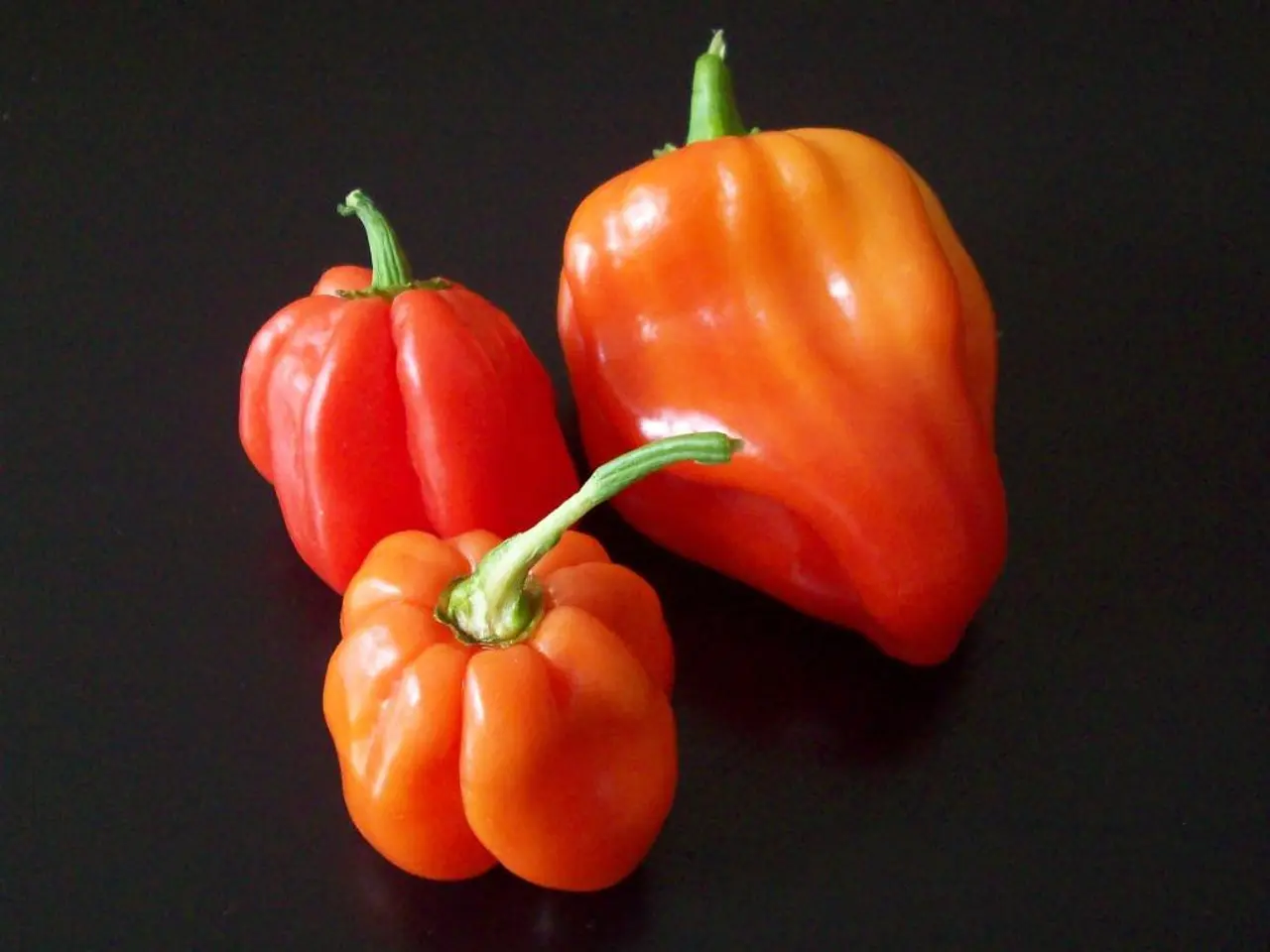
- **Wait for full size and colour change**: Bell peppers start green and then ripen to their mature colours, such as red, yellow, or orange. The flavour and sweetness improve noticeably when peppers fully turn their mature colour. For example, red bell peppers will taste sweeter and have a better texture if allowed to fully ripen on the plant rather than being picked green.
- **Consider the variety**: Some peppers can be harvested green when fully grown for a milder taste, but most develop richer flavour and better texture with full ripeness. Check the variety description, as it often indicates the ideal harvest colour and size.
- **Look for firm, glossy skin without wrinkles**: This is a general indicator of freshness and good texture. Avoid peppers that have soft spots or wrinkles, as these indicate overripeness or aging.
- **Cut peppers instead of pulling**: When harvesting, cut peppers off the plant to avoid damaging branches, preserving plant health for further production.
- **Taste preference and use**: Mature, fully colored bell peppers offer optimal sweetness and texture for fresh eating or cooking. Green bell peppers will be crisper but have a more bitter, less sweet flavour.
In summary, for the best balance of taste and texture, pick bell peppers when they reach full size and have fully changed to their mature colour, typically red, yellow, or orange depending on the variety. This ensures sweeter flavour and desirable crispness.
Meyers is passionate about sharing his knowledge in the field of gardening. He has written posts on when to plant tulips in Missouri, snail bait safety for dogs, and when to plant pumpkins in Michigan for Halloween.
Bell peppers come in various colours, including green, red, and yellow, each with their own nutritional benefits. Common pests in pepper plants include aphids, spider mites, and whiteflies. Regularly inspecting plants and using organic insecticides can help manage pests. Pruning can aid in managing plant health by removing dead or diseased leaves and promoting good airflow.
When green bell peppers are ready, they should feel firm but yield slightly under pressure. A smooth, shiny surface on a green pepper indicates it's prime time to pick. A ripe green pepper snaps off the stem with minimal effort. Freezing chopped green peppers on a tray before storing in a bag maintains their texture and flavour.
Green bell peppers should be picked when they reach an ideal size of 3-4 inches in diameter. Leaving green peppers a little longer for a touch of yellow or red can sweeten their flavour. Crop rotation and not planting peppers in the same spot every year can help prevent diseases.
Drying hot peppers can extend their shelf life even further. Hot peppers like cayenne are loaded with vitamins, especially vitamin C. Peppers not only add colour but also energy and nutritional value to our meals.
So, whether you're a seasoned gardener or just starting out, remember that with the right knowledge and care, you can grow and enjoy delicious, nutritious bell peppers right in your own backyard.
When cultivating bell peppers, one should wait for the fruits to reach full size and change color for optimal taste and texture. For example, red bell peppers will taste sweeter and have a better texture if allowed to fully ripen on the plant, whereas green bell peppers will be crisper but have a more bitter, less sweet flavor.
With an abundance of knowledge about gardening, Larry Meyers enjoys sharing insights on food-and-drink-related topics like when to plant tulips, snail bait safety, and when to plant pumpkins, as well as home-and-garden matters such as dealing with pests and pruning techniques.